For many Filipino families, a daughter’s 18th birthday is not just another year added to the calendar. It is a milestone that deserves to be marked with something beautiful — something that honors who she has become, and who she is growing into. That celebration is the debut.
If you are a parent planning this event for the first time, or a debutante trying to understand what the day really means, this guide is for you. Here is everything you need to know about the Filipino debut: where it came from, what makes it special, and how its traditions have stood the test of time.
What Is a Filipino Debut?
A Filipino debut is the coming-of-age celebration held when a young woman turns 18. It is a formal event — usually an evening dinner-reception — shared with family, close friends, and a circle of people who have been part of her life. The debutante is the center of the celebration, welcomed into adulthood with traditions that are equal parts symbolic and joyful.
It is often compared to a Western debutante ball or a Latin American quinceañera, but the Filipino debut has its own character. It is distinctly Filipino in its warmth, its emphasis on family ties, and its deeply personal ceremonies.
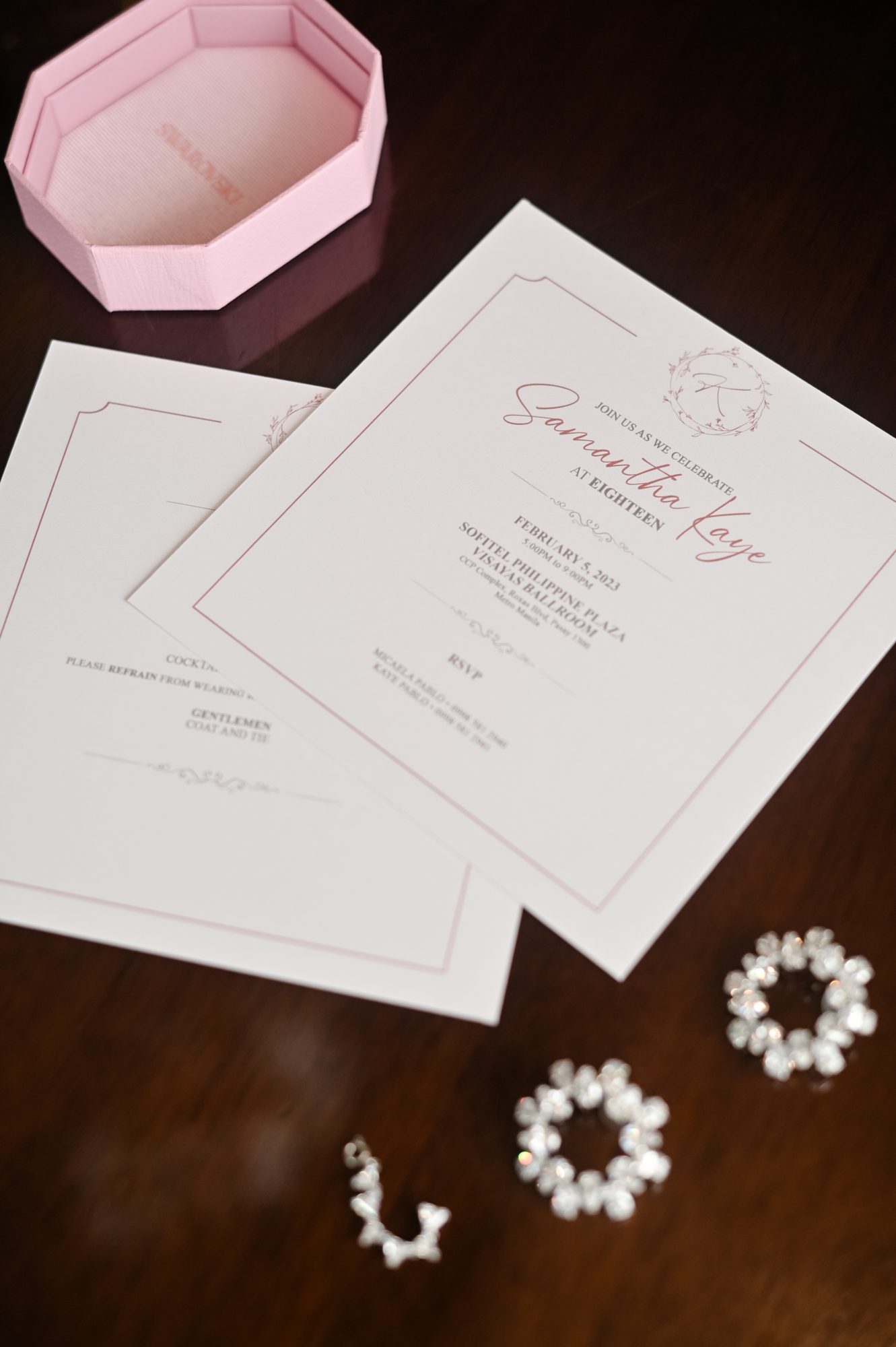
Photo: Jervy Santiago Photography
“A debut is not just a party. It is a family’s way of saying: we see you, we are proud of you, and we are sending you into this next chapter surrounded by love.”
A Brief History
The roots of the Filipino debut trace back to the Spanish colonial period, when formal social introductions were common among upper-class families. Young women from elite households were presented to society as a sign that they were of marriageable age — a practice rooted in European aristocratic custom. The word “debut” itself comes from French, meaning “first appearance.”
Over generations, Filipino families reshaped the tradition. It moved away from being a marker of social class and became something far more meaningful: a celebration of the young woman herself. The emphasis shifted from introduction to society to honoring a daughter’s growth, expressing gratitude for family and community, and holding onto Filipino values of bayanihan and respect for elders.
Today, Filipino debuts are celebrated across all walks of life — from intimate gatherings of 50 to grand ballroom events with hundreds of guests. The spirit, however, remains the same: to celebrate a young woman’s transition from girlhood to womanhood, surrounded by the people who love her most.
The Core Traditions
The Filipino debut has four ceremonies that are almost universally observed, each carrying its own meaning. Together they form the heart of the celebration.
Roses
Eighteen men give the debutante a rose and a short message. The sequence goes from oldest to youngest — the first rose from the father, the last from the person most special to her. Read more →
Candles (18 Wishes)
Eighteen women each light a candle and deliver a wish or message. The first candle is lit by the mother. The climax is the debutante blowing out her birthday cake. Read more →
Treasures
Eighteen practical or symbolic gifts are presented to the debutante. The last is from the mother. Today many families get creative — 18 blue bills, 18 shots, 18 lanterns, and more. Read more →
Cotillion de Honor
A choreographed dance by 9 pairs (18 people). It serves as either the Grand Entrance or the Grand Finale. Months of rehearsal go into those few unforgettable minutes. Read more →
More Than a Party
To see a Filipino debut only as a lavish event is to miss what it truly is. Yes, there is a beautiful gown, a stunning venue, and an elaborate program. But what makes the debut meaningful is the people in the room — and what each of them represents to the debutante.
For parents, it is a moment to express pride in the child they have raised. For the debutante, it is a first real acknowledgment of her own identity — not as a child, but as a young woman ready to step into a bigger world. For the community gathered, it is a reminder that growing up does not happen alone.
The debut also carries faith for many families. Prayers, Bible verses, and a moment of thanksgiving are often woven into the program — a recognition that this milestone is not just personal, but also spiritual.
A debut is also often the moment when the debutante gets to showcase her talents — singing, playing the piano, dancing, or performing something meaningful to her. If she has a gift she’s been cultivating all her life, the debut is the right stage for it. It becomes part of her story, not just a program filler.
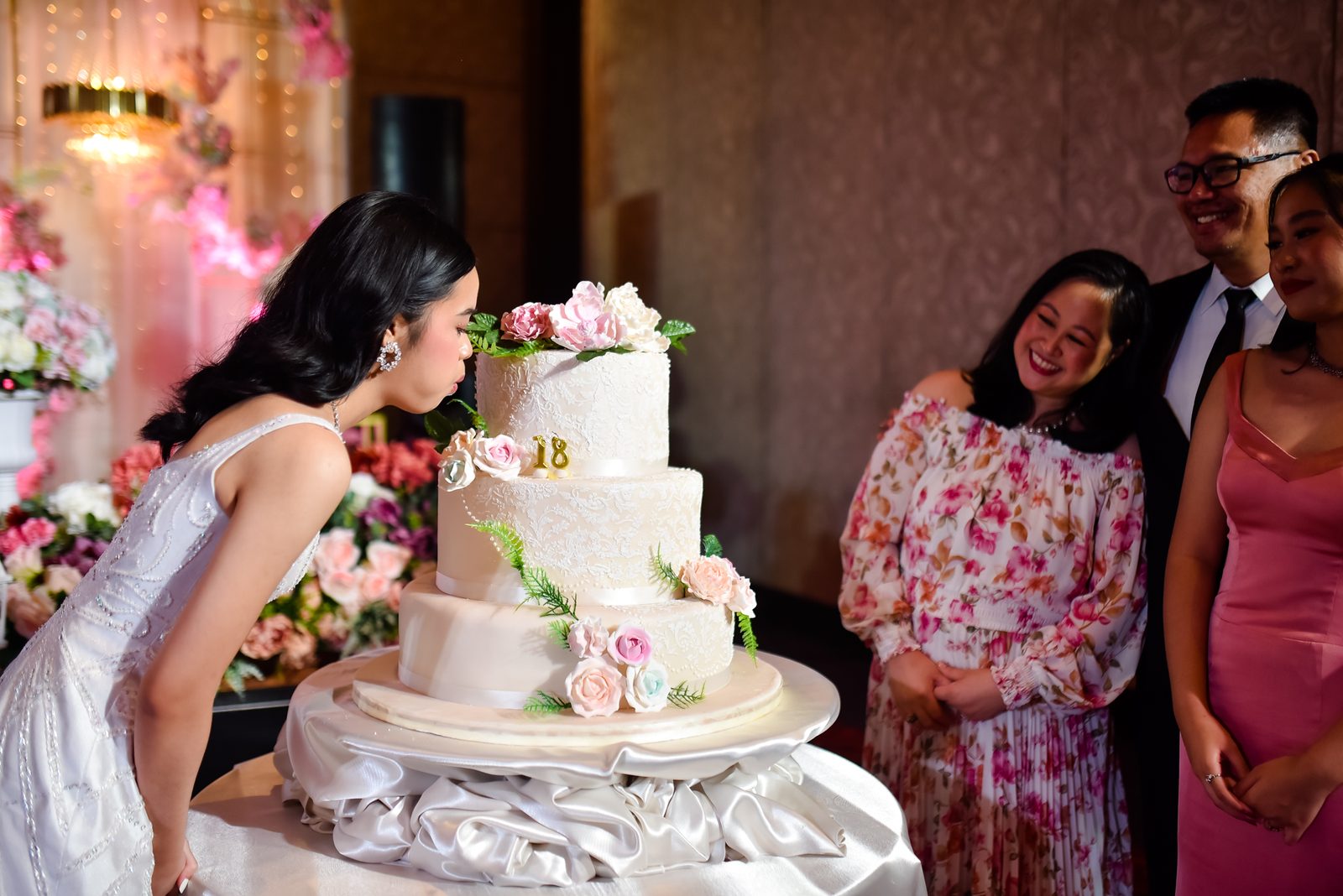
Photo: Jervy Santiago Photography
Planning a Debut in the Philippines
A debut involves many moving parts, and each supplier plays a role in making the evening feel cohesive and memorable:
- Reception Venue — the anchor that sets the date and the tone
- Photo & Video Team — the memories you keep forever
- Event Stylist — brings the theme to life from concept to setup
- Catering — feeds the night, sets the mood at the table
- Gown Designer or Shop — her look for the most photographed night of her life
- Hair & Makeup Artist — for the debutante and her entourage
- Host / Emcee — keeps the program moving and the room engaged
- Lights & Sound System — sets the atmosphere and cues the music
- Cake — the centerpiece of the 18 Candles climax
- Invitations & Souvenirs — the first and last impression guests take home
At Before I Do Bridal Fair, we welcome not just wedding vendors but also debut suppliers who serve debutantes and their families. Whether you’re looking for an event stylist to bring the theme to life, a photographer to document every meaningful moment, or a cake designer for a show-stopping centerpiece, you’ll find suppliers who specialize in making debut celebrations extraordinary.
The fair is a good starting point for families just beginning to plan — because meeting a supplier in person, seeing their work, and having a real conversation is very different from browsing online galleries alone.