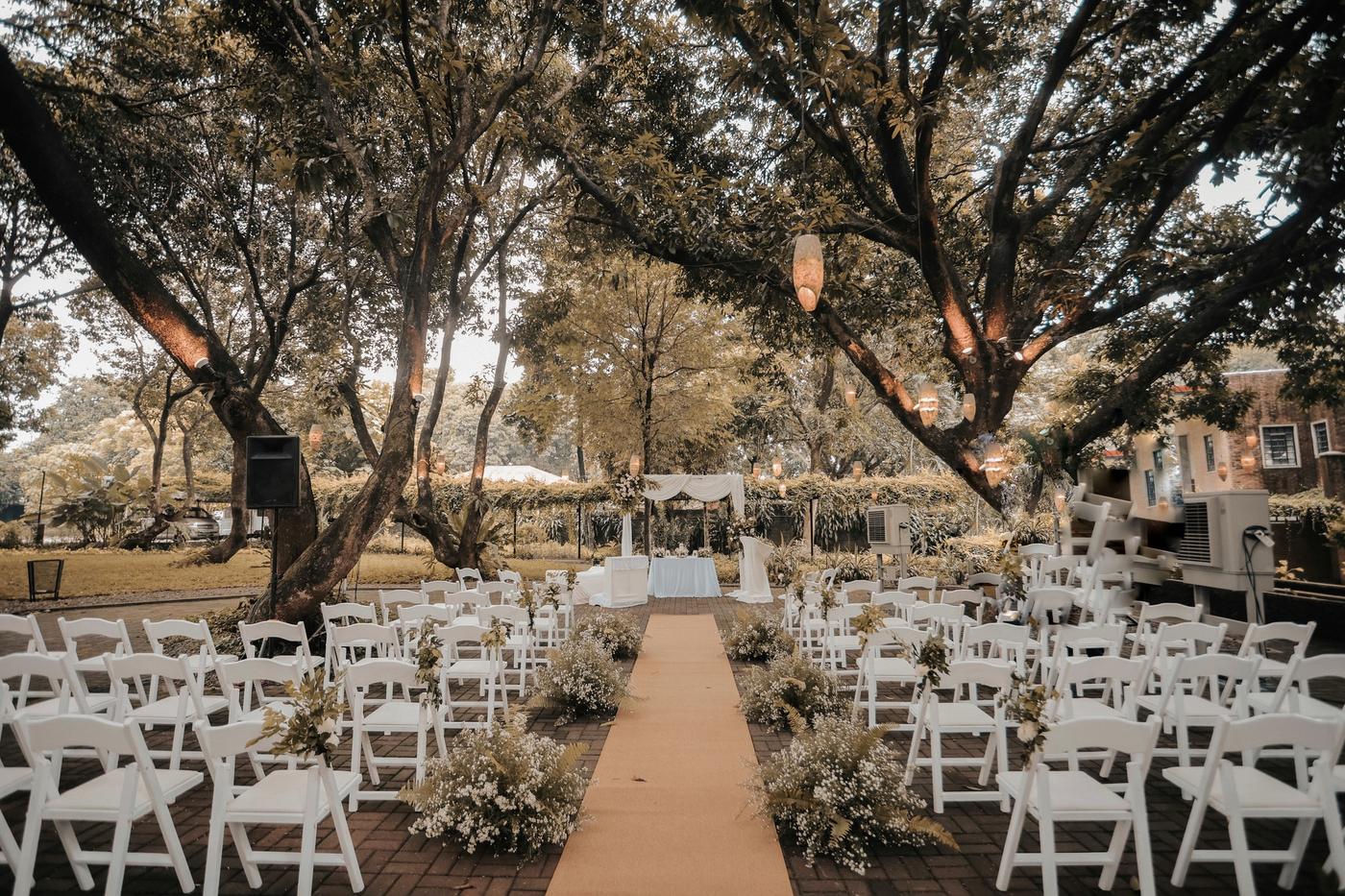
Photo: The Mango Farm
When planning any event, you have to start with the basics. Stick with the acronym we learned in high school — 5W1H: Who, What, When, Where, Why, and How. Identifying these six things is your starting point. Without them, you're planning in the dark.
For now, let's start with Who and What — because these are the things that your client determines, and they shape everything else.
Who are the guests? Who is the client? Who has decision-making authority?
What kind of event is this? This determines venue, equipment, and format.
Season, competing events, guest availability — all affect the ideal date.
Indoor or outdoor? Near or far? Accessible to your guests?
What is the host trying to achieve? This determines the tone and program.
Budget, logistics, suppliers, timeline — the operational layer.
Know Your WHO
Understanding your guests helps you decide on location, program, food, entertainment, and logistics. Consider:
- Gender mix — all male, all female, or mixed?
- How many guests total? How many VIPs?
- Age range — 20s to 30s, or 40s to 60s? Will there be children?
- Where are they traveling from — local cities, or from the province or overseas?
- Economic status — can they afford the ticket price or travel cost?
- Relationship to the host — family, friends, employees, partners?
Also clarify who your actual client is. For personal events, the person signing the contract (and paying) is sometimes the parent rather than the couple. Before you start working, establish clearly: who do you report to, and whose approval do you need on decisions?
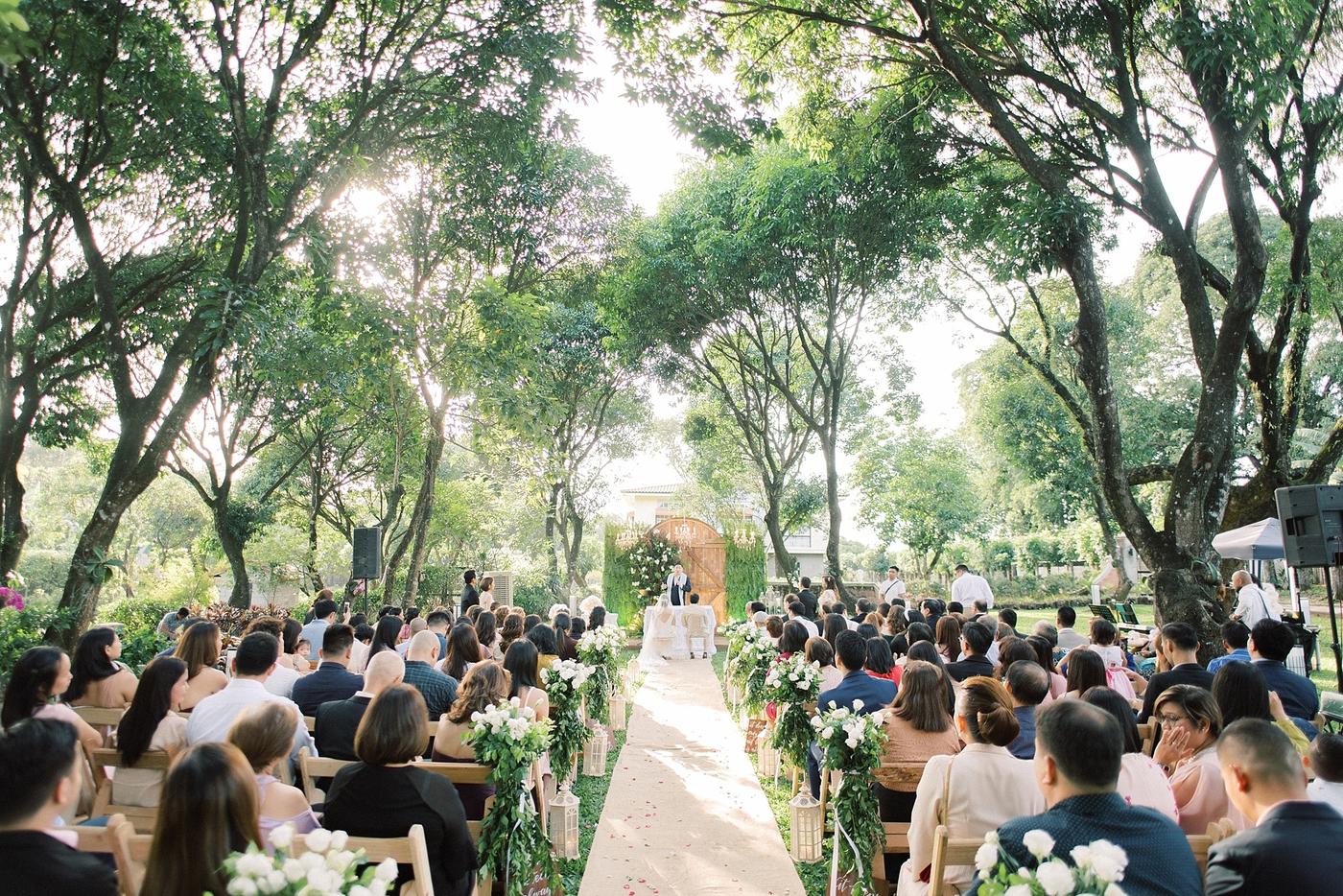
Photo: The Mango Farm
Know Your WHAT — The 4 Categories of Events
Conferences, seminars, training sessions, conventions, and meetings. The goal is knowledge transfer.
Musicals, concerts, fashion shows, formal ceremonies, art exhibits, heritage tours, religious events, and city festivals. These enrich the cultural life of the community.
Baptismal, birthday, wedding, debut, anniversary — events enjoyed by the host's family, friends, and acquaintances, not open to the general public.
Product launches, sales events, political rallies, charitable events, company-wide gatherings. These build brand image, retain loyalty, and drive peak performance.

Rockwell Automation On The Move
Knowing your attendees and your event category will determine your costs, logistics, food setup, transportation, and every other concern you'll need to plan around. So as early as the first inquiry — ask everything. The more you know upfront, the smoother the entire process becomes.
Next up: When — choosing the right date for your event. Read that guide here →