A huge portion of your wedding budget goes to food, which is why wedding food planning should never be treated as an afterthought. Great food keeps guests happy, energized, and engaged throughout the celebration. In Filipino culture especially, feeding guests well is one of the clearest ways to show hospitality.
1. Choose a Caterer You Can Trust
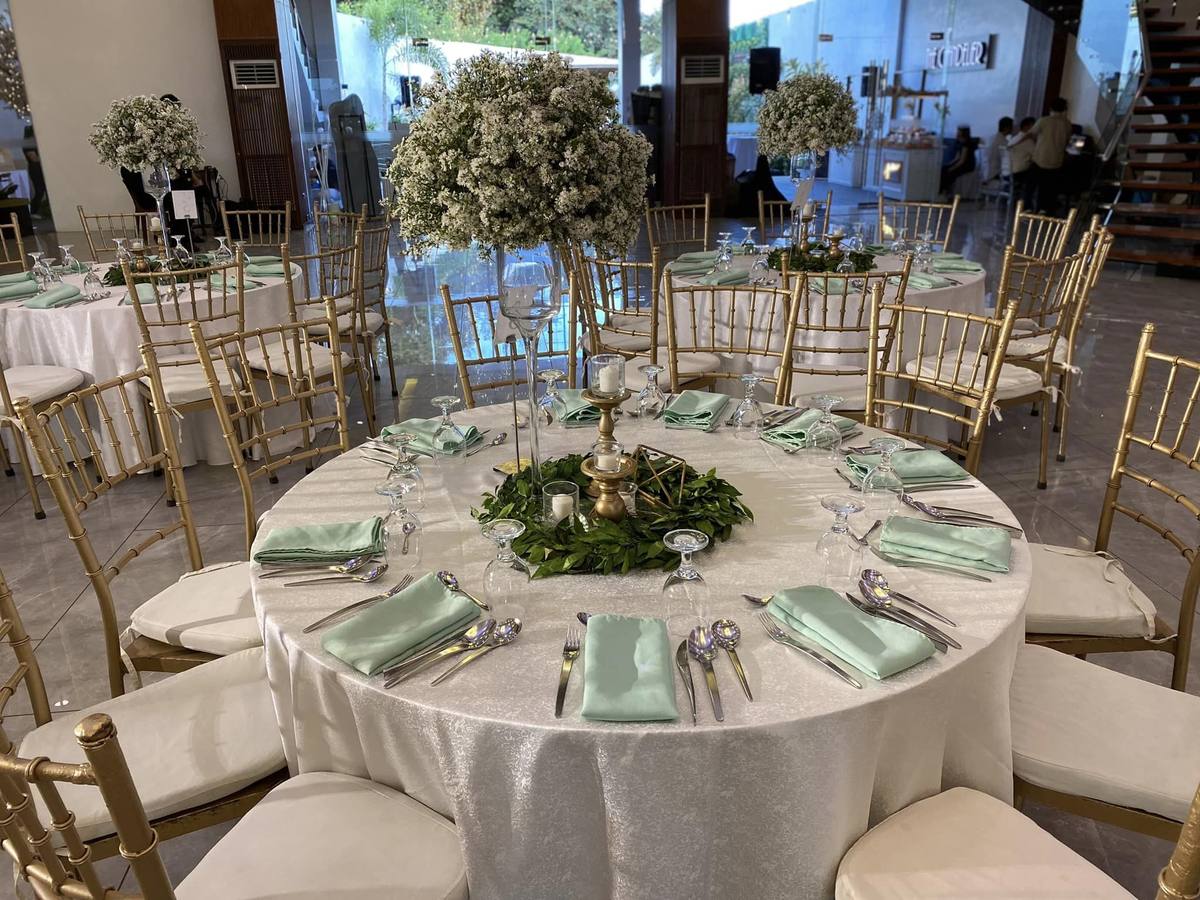
Your caterer can make or break the reception experience. Start by asking married friends for recommendations, reading reviews and testimonials, attending food tastings, and recalling weddings or events where you genuinely enjoyed the food.
A beautiful setup means very little if the food quality disappoints. Prioritize caterers known for consistency, cleanliness, good service, and flavor.
Browse caterers in our Vendor Directory →
2. Decide on a Food Theme or Cuisine
Wedding food planning can easily become overwhelming because of the endless menu options. One way to simplify the process is by choosing a food theme or cuisine style — Filipino, Italian, Spanish, Asian fusion, Modern Filipino, or Mediterranean. Having a theme helps create a more cohesive menu and makes it easier to select dishes that complement one another.
3. Focus on Quality Over Quantity
You don't need an excessively large buffet spread to impress your guests. Food that is fresh, flavorful, properly prepared, and well presented will always leave a better impression than dozens of average dishes.
For main courses, a balanced menu often includes fish or seafood, chicken, pork or beef, and rice and/or pasta options. Try to create variety not just in flavor, but also in texture and preparation methods.
4. Make Desserts Interactive and Memorable
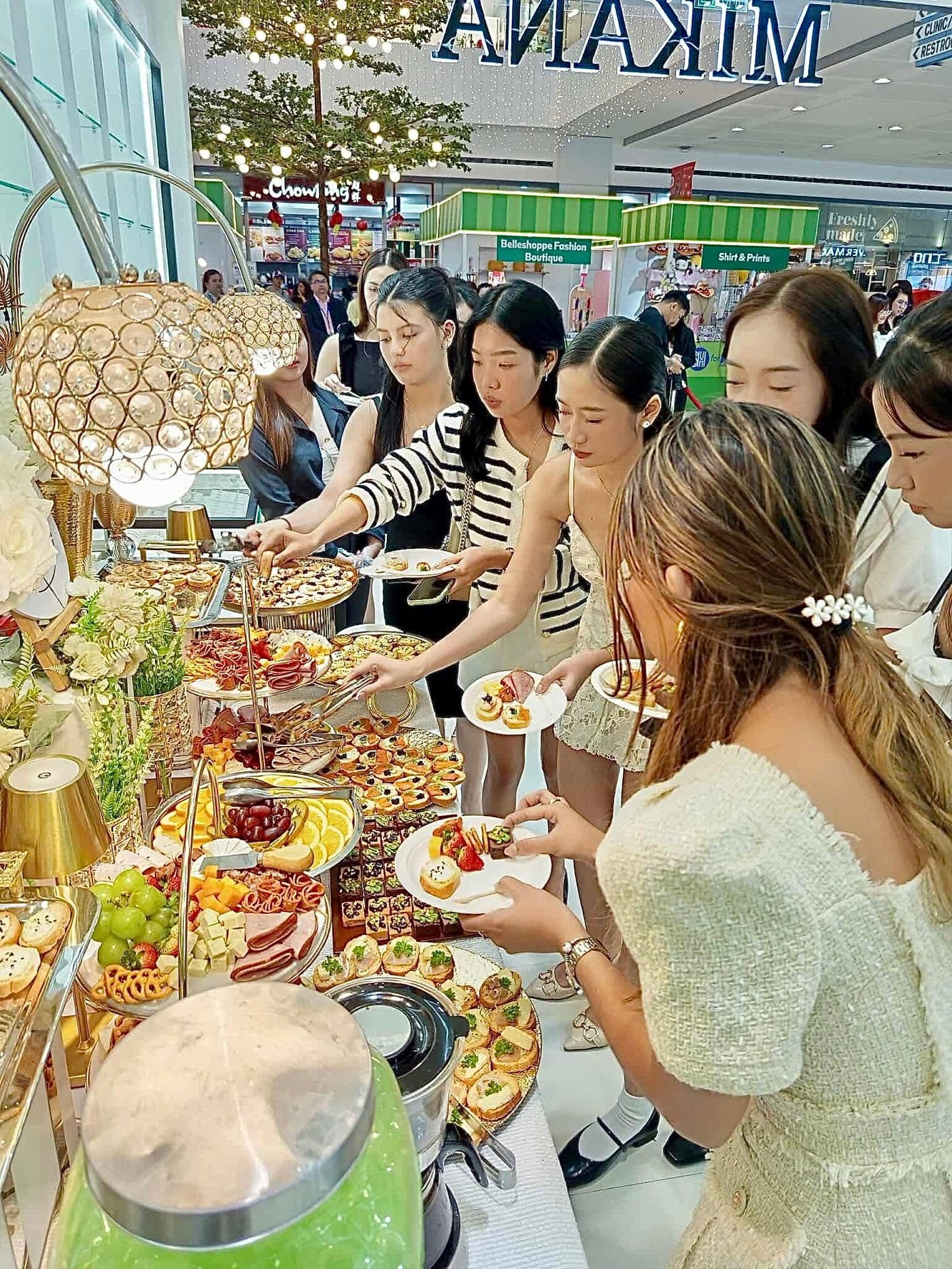
Desserts are one of the easiest ways to add personality to your reception. Aside from traditional cakes and pastries, consider interactive dessert stations such as DIY halo-halo for summer weddings, s'mores bars during the holiday season, ice cream carts, or coffee and pastry corners.
These small details make the reception feel more memorable and give guests something fun to experience beyond the main program.
Browse food stations in our Vendor Directory →
5. Consider Small Extras That Elevate the Experience
Sometimes, the smallest touches leave the biggest impact. Instead of the usual iced tea, you can serve fruit-infused drinks, signature cocktails, craft beer, or customized bottled beverages. You can also prepare light snacks for guests during cocktail hour — chips, nuts, candies, or mini appetizers.

Browse beverage stations in our Vendor Directory →
6. Don't Forget About Food Temperature and Service
Even the best menu can disappoint if food is served improperly. Coordinate closely with your caterer and venue team to ensure hot food stays hot, cold dishes remain chilled, buffet stations are replenished properly, and service flows smoothly throughout the event.
Good service matters just as much as good cooking.
Final Thoughts
More than extravagant displays or trendy setups, people remember how they felt during the reception — and great food always becomes part of that memory. Plan your menu carefully, choose quality over excess, and focus on creating an experience that feels warm, thoughtful, and enjoyable for everyone at the table.